SLS Rocket: Technical Audit of Costs and Boeing Core Stage Engineering
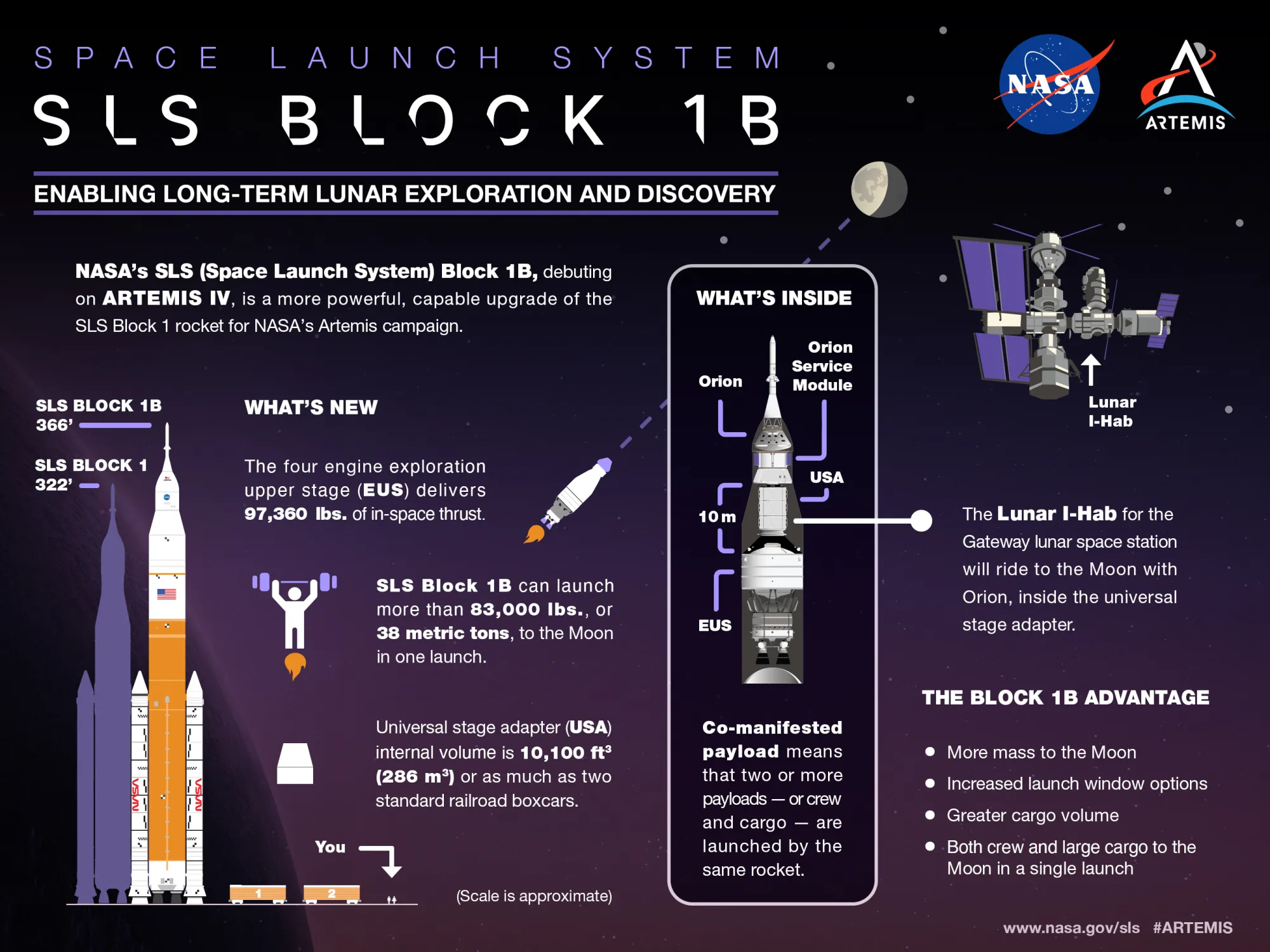
The SLS remains the only flight-proven vehicle certified for direct Trans-Lunar Injection (TLI) of the Orion spacecraft. In this 2026 audit, we evaluate the decision to maintain the SLS Block 1 architecture despite industrial cost overruns, prioritizing the reliability of 5-segment solid rocket boosters (SRB) over rapid evolution.
01 // Core Stage Propulsion: The RS-25E Engines
Unlike Artemis I, which utilized Space Shuttle heritage engines, current units are the new RS-25E (Expendable) variant. These engines leverage additive manufacturing for critical components, allowing for a sustained 111% Rated Power Level (RPL).
The RS-25 Cost Paradox
Each Aerojet Rocketdyne RS-25E unit carries a price tag exceeding $100 million. In a single launch, NASA discards $400M in propulsion hardware alone. This expendable philosophy is the primary driver of the $4.1B per-launch cost, challenging the fiscal sustainability of long-term lunar habitation.
02 // Solid Propulsion: Five-Segment Boosters
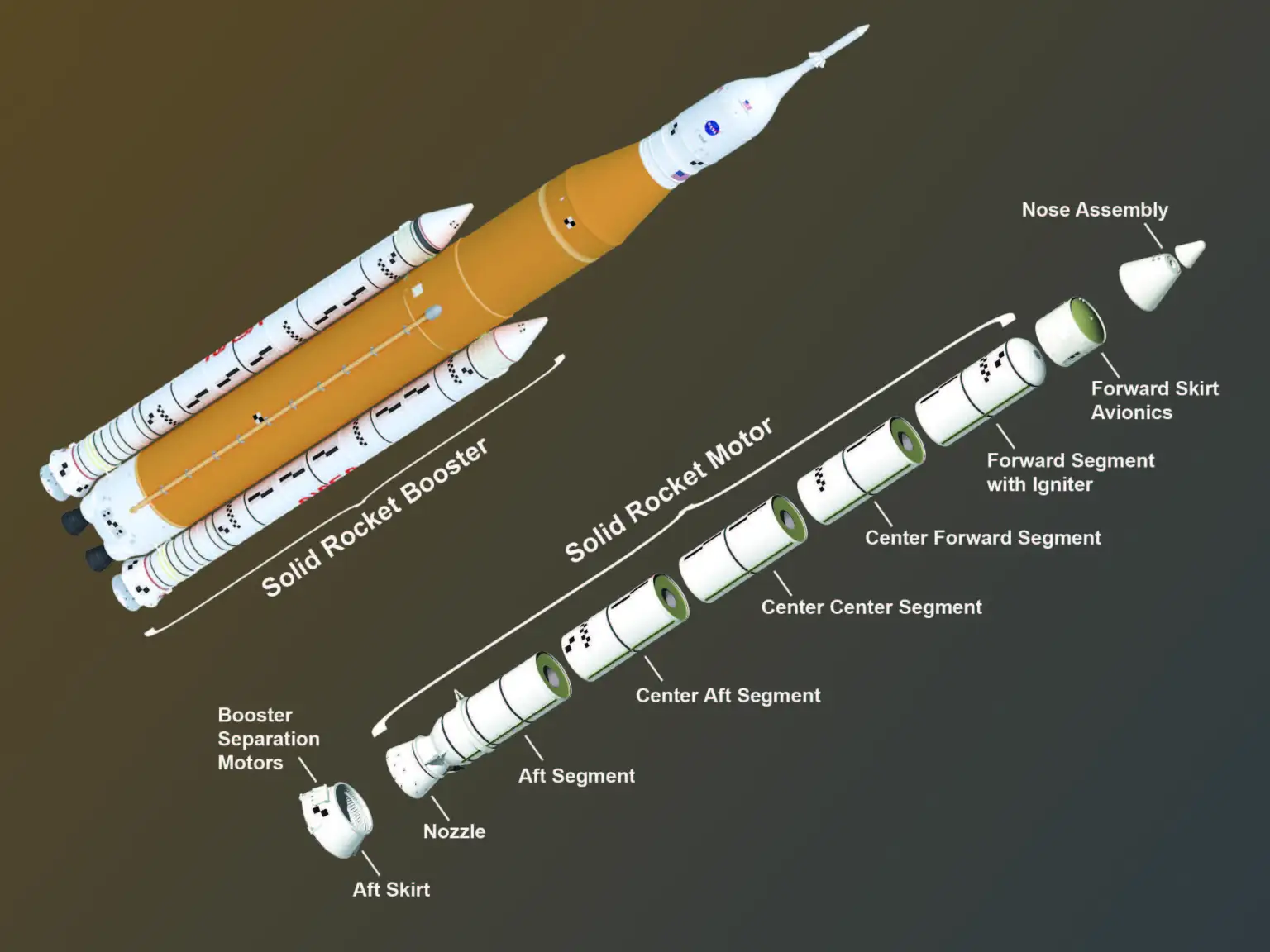
The two five-segment solid rocket boosters provide over 75% of initial takeoff thrust. Consuming 5 tons of propellant per second, these are the most powerful solid motors ever built for human spaceflight.
03 // Industrial Manufacturing: Machining and Aerospace Painting
The fabrication of the Boeing Core Stage is a pinnacle of aerospace manufacturing technology. Unlike Starship's stainless steel, the SLS utilizes aluminum-lithium alloys that require aerospace precision machining for the friction-stir welding process. Furthermore, the iconic orange color of the rocket is not just aesthetic; it is a complex aerospace painting and spray-on foam insulation (SOFI) application. These coatings must be certified by aerospace fasteners manufacturers and material scientists to ensure the structural integrity of the RS-25E housing during the 111% RPL ascent.
04 // Supply Chain Logistics: SAP and Strategic Procurement
Managing a multi-billion dollar asset like the SLS requires deep integration with SAP aerospace and defense modules. The aerospace supply chain for the SLS involves thousands of aerospace distributors providing mission-critical components. While a launch at vandenberg is standard for polar orbits, the SLS logistics at Kennedy Space Center demand a robust aerospace and defense investment banking framework to justify the $4.1B marginal cost per flight.
05 // Analyst's Conclusion: The Sustainability Dilemma
From a pure systems engineering perspective, the SLS is a masterpiece of reliability. However, with the cancellation of the Block 1B evolution in 2026, the program has prioritized political survival over technical progress. The financial sustainability remains fragile at best.
Critical Note: Cost Audit
Marginal launch costs exceed $4.1 Billion USD. With 0% reuse, every mission sinks four technological jewels—the RS-25E engines—into the ocean. While SpaceX's Starship projects disruptive costs, the SLS remains a golden bridge to the Moon.
Recommended Hardware // Technical Scale Models
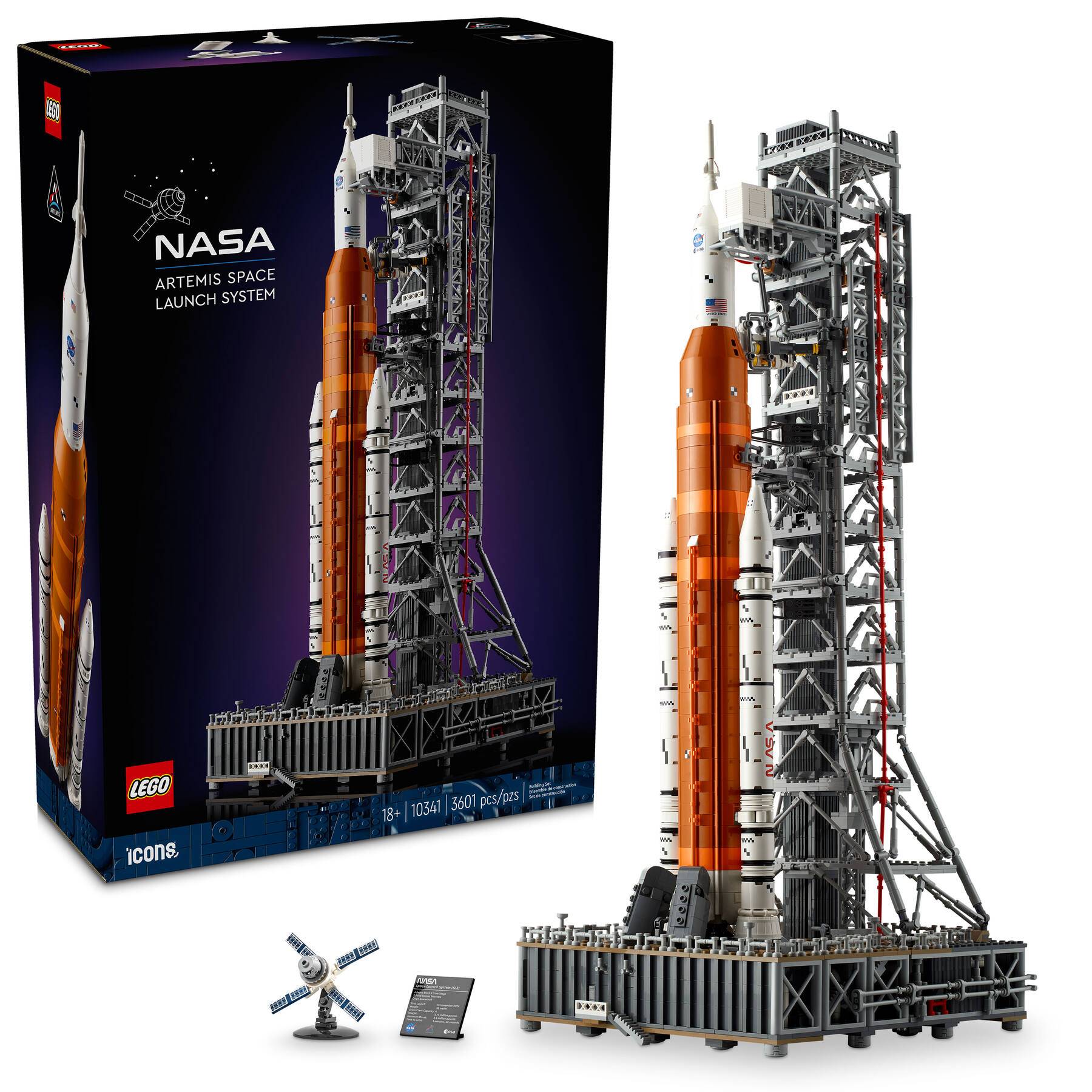
While a real SLS launch costs $4.1B, the LEGO Icons set allows for a tactical analysis of the RS-25 engines and Orion capsule at your own command center.
ACQUIRE HARDWARE →"The SLS is the last titan of the old guard: powerful, reliable, and absurdly expensive." - BSX Space Analysis.