Falcon 9: Orbital Logistics Audit and Hardware Reusability
After decades of incremental evolution, the Falcon 9 has optimized the thrust-to-weight ratio of the Merlin 1D engine, becoming the highest-cadence operational system in history. Its ability to transform expendable assets into recoverable capital allows for certified reliability of first stages and fairings in high-priority global market missions.
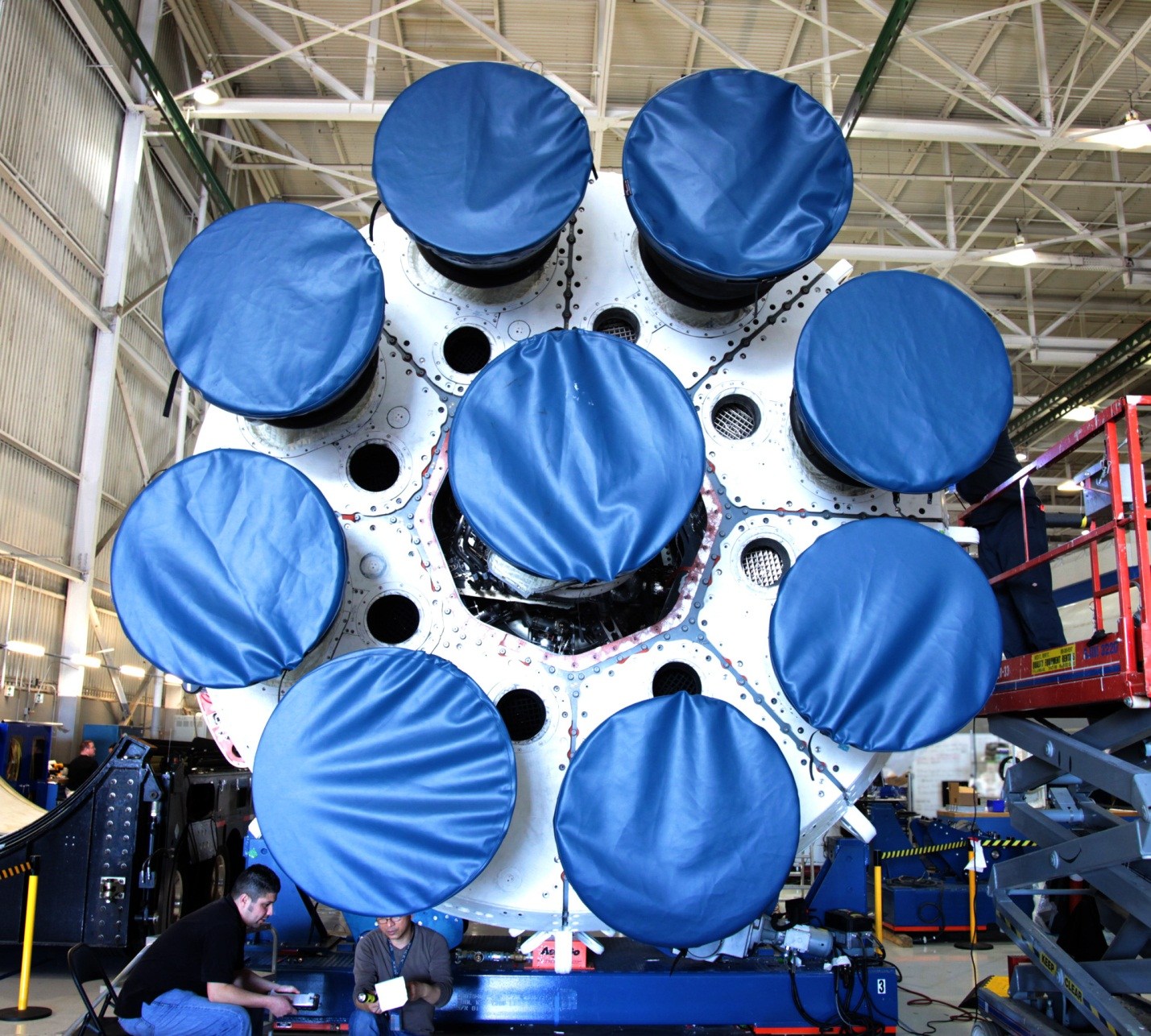
01 // Propulsion: The Merlin 1D Engine and Octaweb Efficiency
The first stage utilizes nine Merlin 1D engines in an Octaweb configuration. Operating on a gas-generator cycle using RP-1 and liquid oxygen, this engine has been optimized to reach the highest thrust-to-weight ratio in history, hitting 200:1 in current configurations.
| Technical Component | 2026 Audit Specification |
|---|---|
| Ignition System | TEA-TEB (Pyrophoric) |
| Structural Material | Aluminum-Lithium Alloy (Al-Li) |
| Joining Technique | Friction-Stir Welding (FSW) |
| Upper Stage | MVac engine with 165:1 expansion ratio |
02 // Vandenberg (VAFB) and Polar Logistics
Launches from Vandenberg Space Force Base (California) are vital for global orbital logistics. VAFB allows for direct injection into Polar and Sun-Synchronous Orbits (SSO) without overflying populated areas. This makes it the primary corridor for Earth observation constellations and national security payloads, commanding a premium in the launch market due to the high-inclination requirements of modern satellite clusters.
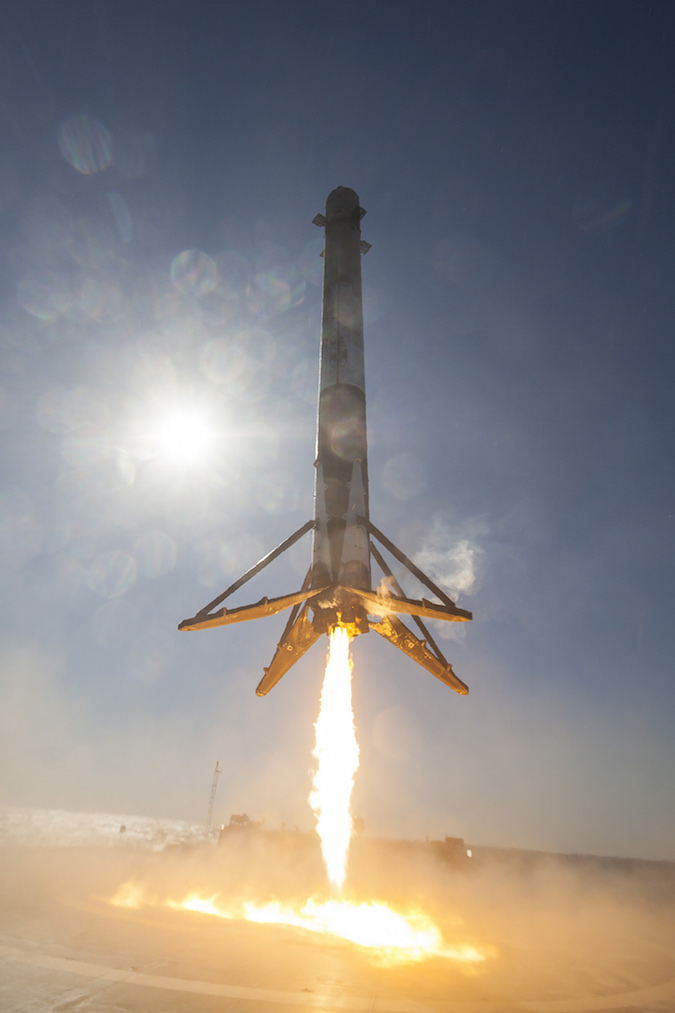
Strategic Insight: COTS Avionics and Triplex Redundancy
The Falcon 9's brain utilizes a triple modular redundancy architecture based on commercial off-the-shelf (COTS) components running Linux instances on standard x86 processors. The Actor-Judge algorithm allows the system to ignore discrepant chains, ensuring navigation safety without the need for extremely expensive radiation-hardened custom silicon.
03 // Industrial Scaling: Machining and Aerospace Painting
The reliability of the Falcon 9 Block 5 hinges on the quality of aerospace precision machining for the Merlin 1D turbopumps and the friction-stir welding of the Al-Li tanks. Reusability also demands advanced aerospace painting and thermal protection coatings that can withstand the extreme heat of atmospheric re-entry over 20 times per booster. For aerospace fasteners manufacturers, the high cadence of SpaceX launches from Vandenberg Space Force Base represents a critical demand for flight-certified hardware and structural integrity sensors.
04 // Supply Chain Logistics: SAP and Orbital Management
The dominance of the private space launch market by SpaceX is driven by aerospace supply chain optimization. Integrating SAP aerospace and defense modules allows for real-time tracking of thousands of reusable components. As satellite communication constellations grow, the demand for orbital logistics providers and aerospace and defense investment banking analysis has reached record levels, fueled by the cost-efficient Falcon 9 Vandenberg launch windows.
05 // Financial and Environmental Sustainability
From an audit perspective, the Falcon 9 has disrupted the industry's cost structure. In 2026, operational optimization has reduced the refurbishment cost to approximately $1 million per booster, compared to the $13 million seen in early versions.
Critical Note: RP-1 Impact
The use of kerosene generates soot emissions in the stratosphere. With a projected cadence of 170 annual launches, SpaceX faces potential climate regulations, reinforcing the strategic need to transition toward the cleaner methane-based architecture of Starship.
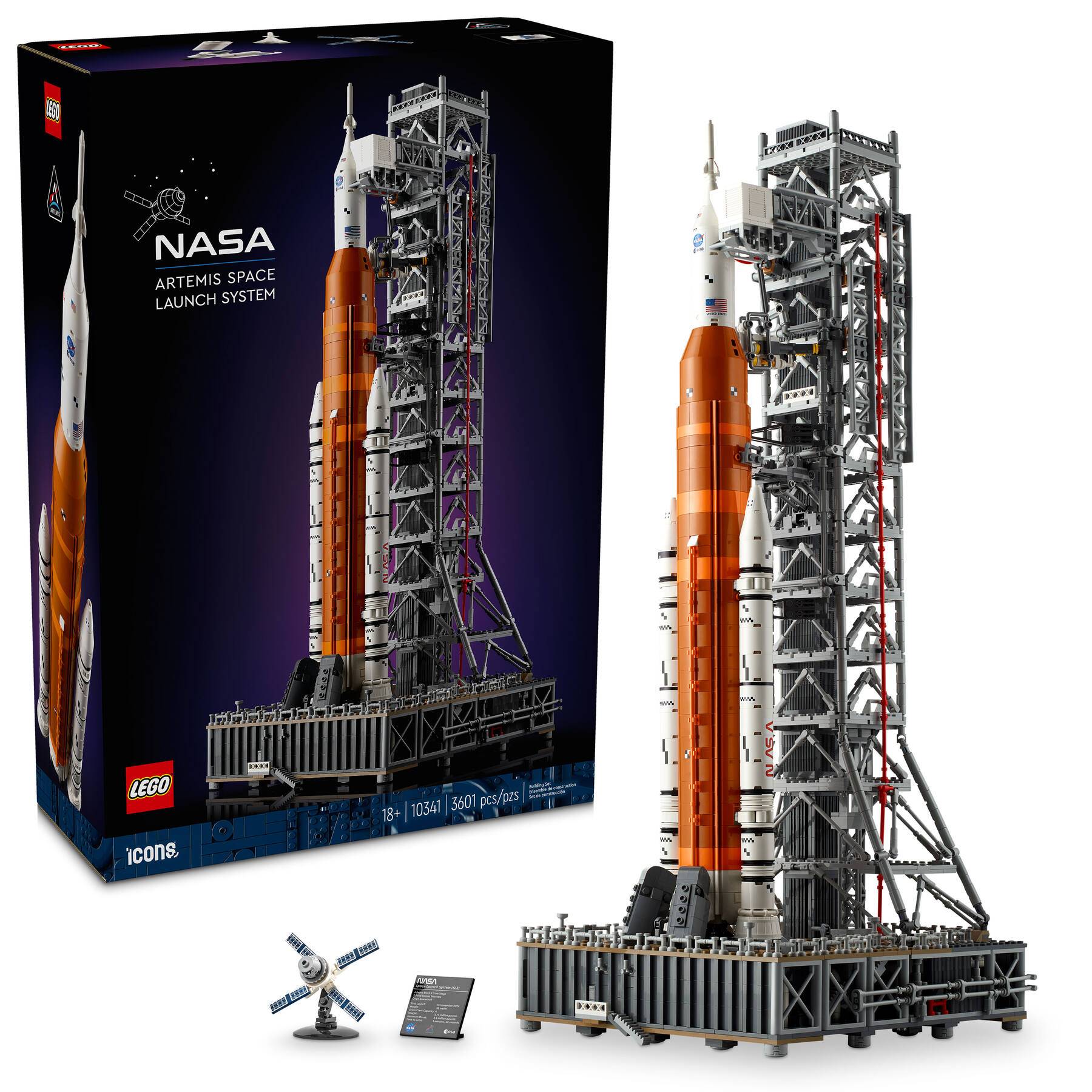
Recommended Hardware // Technical Modeling
While a real Falcon 9 launch is the pinnacle of engineering, the LEGO NASA Icons set provides a tactical breakdown of high-energy launch systems for your command center.
ACQUIRE HARDWARE →"The Falcon 9 is the critical bridge between the old era of disposable exploration and the new permanent logistics infrastructure." - BSX Space Analysis.