Artemis 4: Technical Audit of the Direct Lunar Landing Architecture
[STRATEGIC UPDATE // 14-APR-2026]
The March 2026 NASA pivot officially paused the Lunar Gateway and terminated the EUS development. This audit now reflects the new "Direct-to-Surface" architecture focused on launch cadence and industrial standardization.
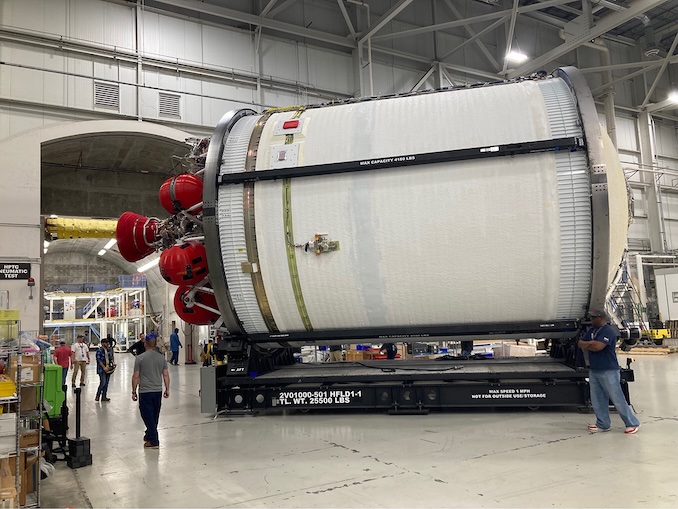
To achieve a target launch cadence of 10 months, NASA has replaced the complex Block 1B with the SLS Block 1 Standardized. This pivot utilizes the Centaur 5 upper stage from ULA, a move that leverages established aerospace precision machining workflows from the Vulcan rocket program. This standardization aims to reduce the production cost per flight from $4.1B to approximately $2.5B through fixed-price commercial contracts.
Strategic Insight: Architectural Pivot
The transition from the Block 1 to the Block 1B architecture was originally the goal, but the current systems engineering milestone focuses on the Direct-to-Surface path. By utilizing the Centaur 5, NASA simplifies the stack and focuses on mission assurance for the crewed lunar South Pole landing.
01 // The Landing System: SpaceX Starship HLS V3
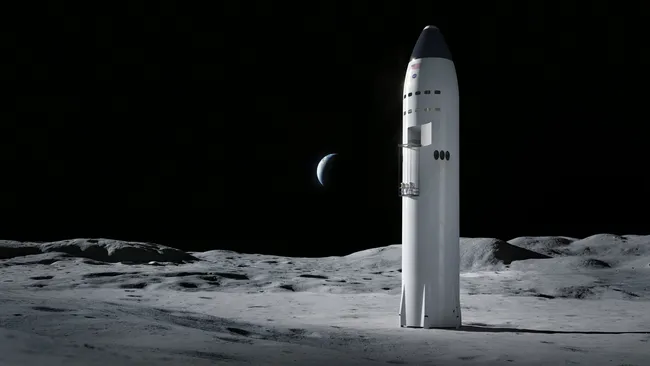
In the absence of the Gateway, the Starship HLS V3 serves as the primary autonomous habitat. The integration of Raptor 3 engines allows for a simplified design with superior thermal management for 30-day surface stays. Mission assurance for the 15-refuel LEO campaign is managed via SAP Aerospace and Defense modules, providing real-time transparency for the cryogenic propellant transfer chain.
02 // Surface Gear: Axiom AxEMU Suits
Exploration of permanently shadowed craters at -230°C is enabled by the AxEMU suits from Axiom Space. These high-mobility systems allow for cryogenic sample collection with an 8-hour life-support autonomy.
Recommended Hardware // Technical Scale Models
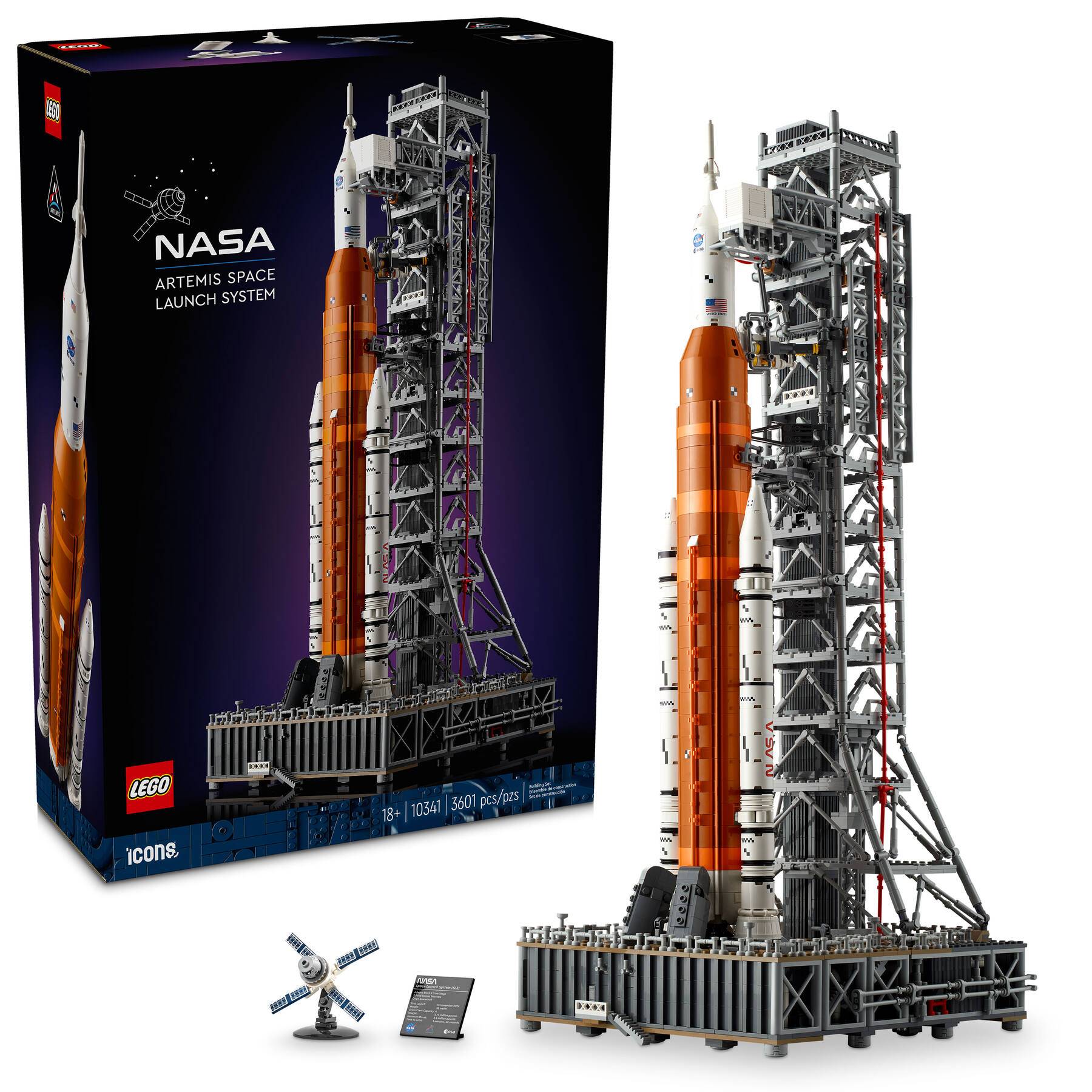
While an Artemis 4 launch is a multibillion-dollar endeavor, the LEGO NASA Icons set provides a tactical breakdown of the SLS architecture and Orion capsule for your command center.
ACQUIRE HARDWARE →03 // Industrial Manufacturing: Machining and Thermal Protection
The standardization of the SLS Block 1 requires a consistent output in aerospace precision machining for the Core Stage and the Centaur 5. The integration involves high-tolerance aerospace fasteners manufacturers to manage the structural loads of the Orion stack. Furthermore, the Starship HLS V3 landing at the South Pole demands a masterclass in aerospace painting and cryogenic insulation coatings to maintain propellant stability in permanently shadowed regions.
04 // Supply Chain Dynamics: SAP and Banking Logistics
The OIG report (IG-24-001) confirms that terminating the EUS and Gateway redirects $5.7B in development costs toward Project Ignition—a $20B initiative for permanent lunar infrastructure. However, the aerospace and defense investment banking sector highlights a critical risk: the absolute reliance on SpaceX for orbital refueling remains a single point of failure for the 2028 South Pole landing window.
05 // Analyst Conclusion: Engineering vs. Fiscal Reality
Artemis 4 represents a triumph of engineering through simplification. By rescoping the mission as a Direct-to-Surface flight, NASA has focused on mission-focused progress and launch cadence.
Critical Note: Strategic Risks
Bypassing the Gateway eliminates orbital docking risks but places extreme pressure on Orion's TLI precision and the HLS life support autonomy. Any delay in the 15-tanker LEO refueling chain could lead to catastrophic boil-off, delaying Artemis 4 indefinitely.
The Cost Dilemma
The SLS rocket remains a 100% expendable system. While the standardization to Block 1 aims for a $2.5B cost, commercial competitors like SpaceX project disruptive marginal costs.
"Artemis 4 is no longer just a return mission; it is the inaugural flight of humanity's decentralized interplanetary logistics." - BSX Space Analysis.