Artemis 5: Technical Audit of Sustainability and the Toyota Lunar Cruiser
Unlike earlier demonstration flights, Artemis 5 centers on operational and industrial sustainability. The objective is the validation of the Blue Moon heavy lander and the deployment of the Toyota Lunar Cruiser, a pressurized vehicle designed for large-scale exploration and the consolidation of nuclear power infrastructure at the South Pole.
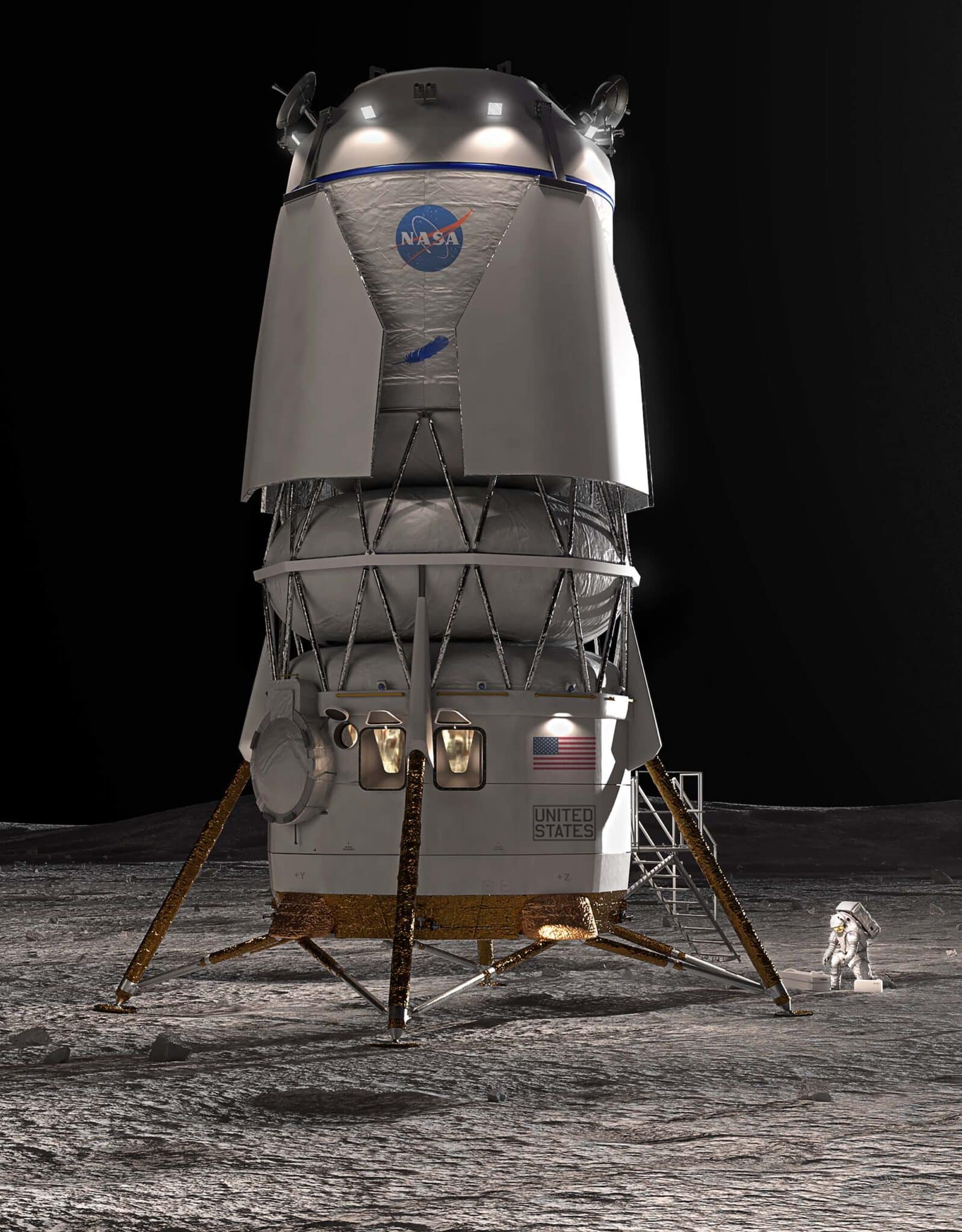
01 // The Lander: Blue Moon Mark 2 (Blue Origin)
For the first time, a Blue Origin vehicle will execute a lunar descent. The Blue Moon Mark 2 introduces cryogenic propulsion optimized for heavy loads and zero boil-off technology for extended lunar surface stays.
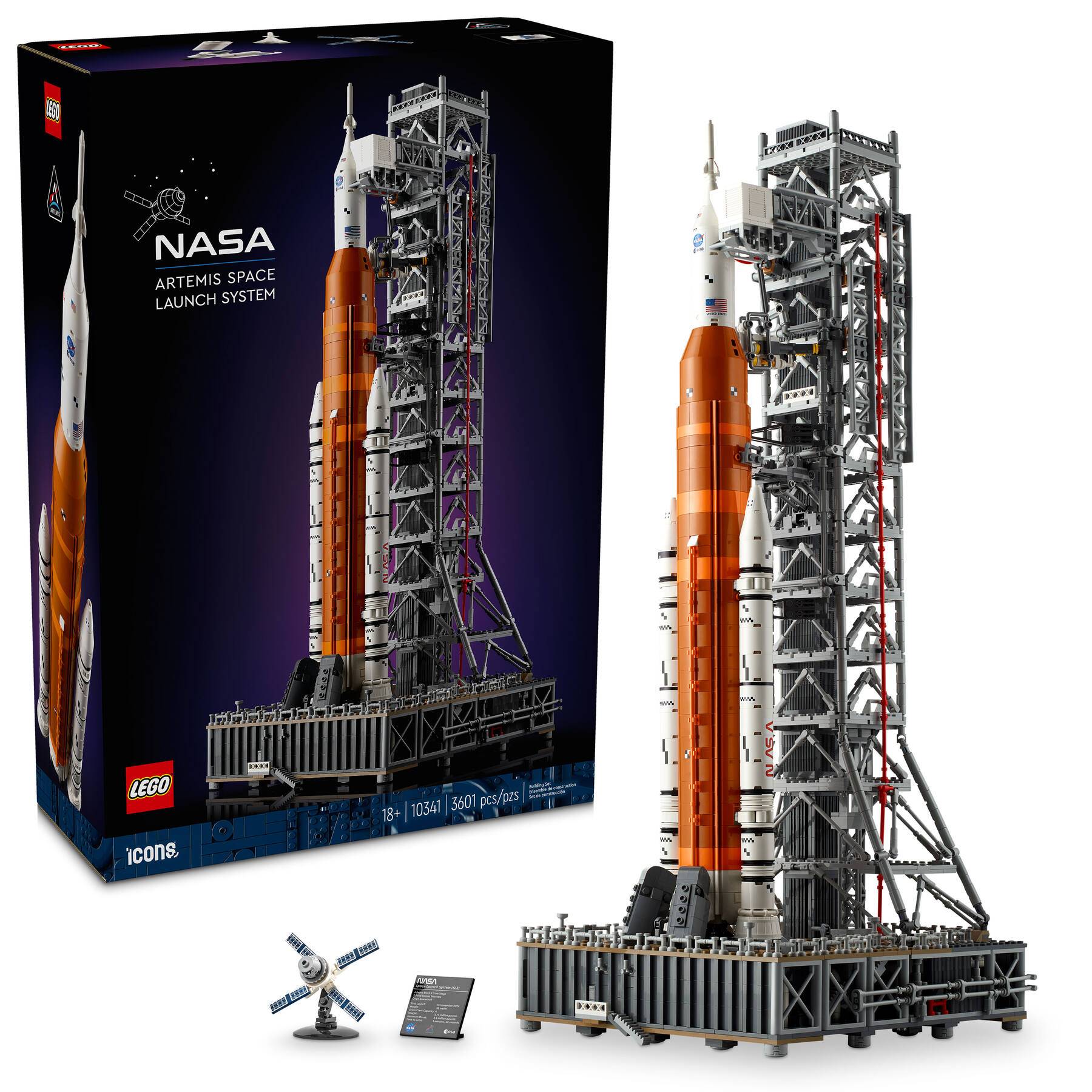
Recommended Hardware // Technical Scale Models
While an Artemis 5 launch represents the peak of modern engineering, the LEGO NASA Icons set allows for a tactical analysis of the heavy-lift architectures required for the lunar return.
ACQUIRE HARDWARE →02 // Extreme Mobility: Toyota Lunar Cruiser (JAXA)
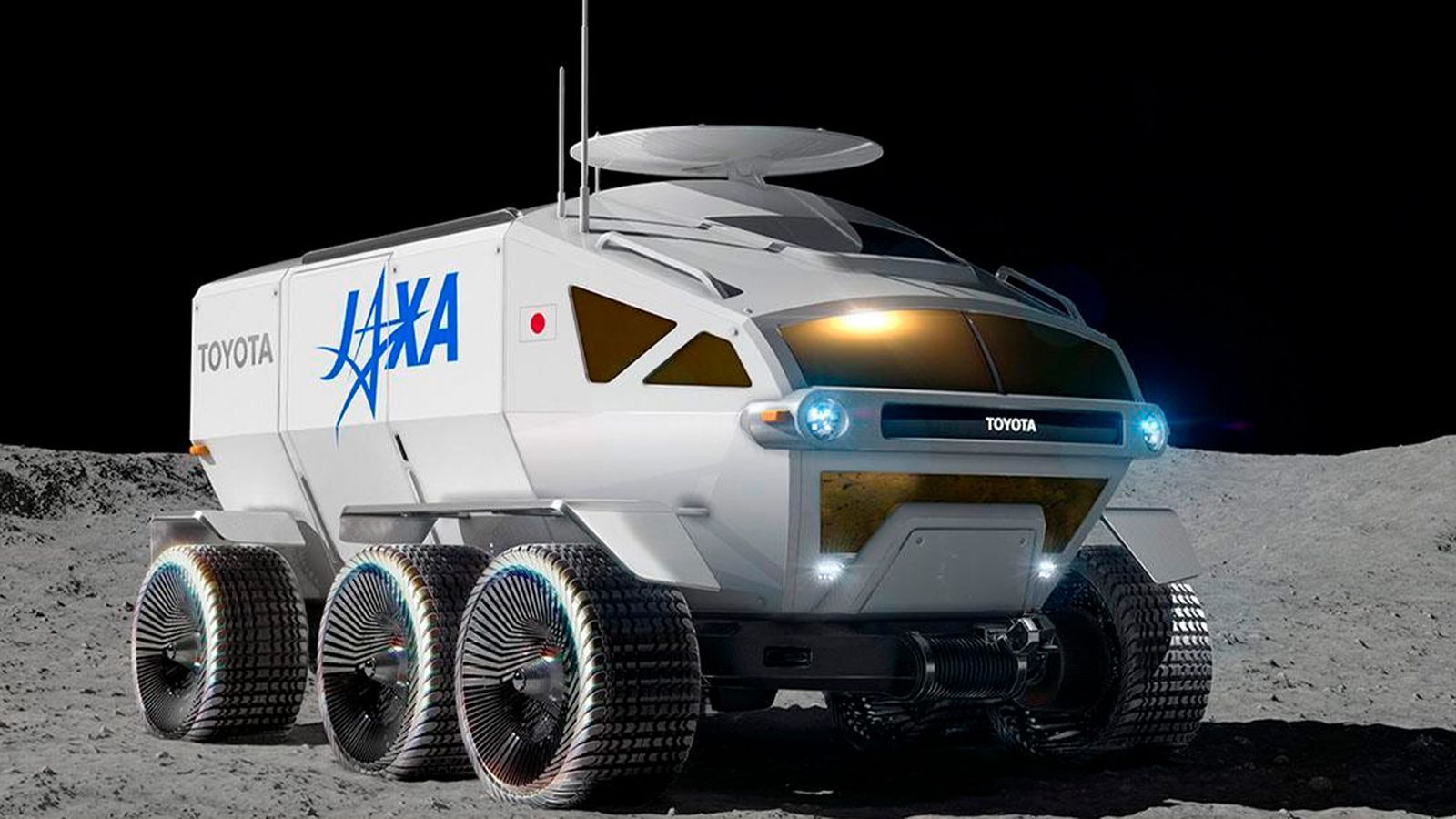
Artemis 5 introduces unprecedented mobility with the Toyota Lunar Cruiser. This pressurized rover will allow astronauts to live without spacesuits for up to 14 days while exploring the treacherous South Pole terrain.
- Pressurized Autonomy: Capacity for 2 crew members with 13 m³ of habitable volume developed by JAXA and Toyota.
- Thermal Resilience: Operational at -230°C using regenerative fuel cell technology.
- LTV (Lunar Terrain Vehicle): Robotic-crewed vehicle with teleoperation capabilities from Earth.
Propulsive Standardization: The Pivot to Centaur V
Following the 2026 Strategic Review, NASA utilizes the Standardized SLS Block 1 paired with a commercial Centaur V (ULA) upper stage, ensuring an efficient and sustainable launch cadence.
03 // Infrastructure: Nuclear Power and LunaGrid
Success depends on surviving the lunar night. Artemis 5 will deploy the first elements of the LunaGrid, powered by the LR-1 nuclear fission reactor.
| Nuclear Component | Technical Specification |
|---|---|
| LR-1 Reactor | 40 kW Fission (HALEU) |
| Conversion Cycle | Closed-Cycle Brayton |
| Distribution | High Voltage LunaGrid Network |
| System Mass | < 6,000 kg |
04 // Industrial Infrastructure: Machining and Aerospace Painting
The deployment of the Toyota Lunar Cruiser and the Blue Moon Mark 2 marks a new era in aerospace manufacturing technology. The pressurized cabin of the JAXA rover requires aerospace precision machining for its regenerative fuel cell housings and life-support seals. Additionally, the Blue Moon lander's BE-7 engines utilize advanced aerospace painting and cryogenic insulation to prevent hydrogen boil-off. These Tier 1 systems are supported by global aerospace fasteners manufacturers who provide the structural integrity required for 14-day lunar surface sorties.
05 // Cislunar Logistics: SAP and Nuclear Supply Chain
The complexity of integrating Japanese (JAXA), American (Blue Origin/NASA), and European hardware is managed through SAP aerospace and defense logistics frameworks. From tracking aerospace supply chain components for the LR-1 nuclear reactor to managing the next moon mission nasa launch windows, digital transparency is paramount. For institutional stakeholders, Artemis 5 is a primary case study for aerospace and defense investment banking, evaluating the long-term ROI of the SLS Block 1 architecture in a multi-provider ecosystem.
06 // Analyst Conclusion: Hardware Success vs. Sustainability
From a systems engineering perspective, Artemis 5 marks the true birth of lunar settlement. Integrating Jeff Bezos' lander, the Toyota rover, and a nuclear reactor is a logistical feat without equal.
Critical Note: The SLS Fiscal Dilemma
The SLS rocket remains an economic anachronism at $4.1 Billion USD per mission. While NASA discards four RS-25 engines into the ocean every flight, competitors with reusable systems project significantly lower operational costs.
Furthermore, Orion remains a taxi. NASA is now entirely dependent on the viability of Blue Origin's Blue Moon Mk2. Any failure in the cryogenic refueling chain would leave the crew unable to reach the lunar surface.
"Artemis 5 validates mobile habitability; but program economics will dictate whether we become permanent settlers or luxury visitors." - BSX.ES Analysis.