Artemis 3: Technical Audit of Starship HLS Architecture and AxEMU Suits
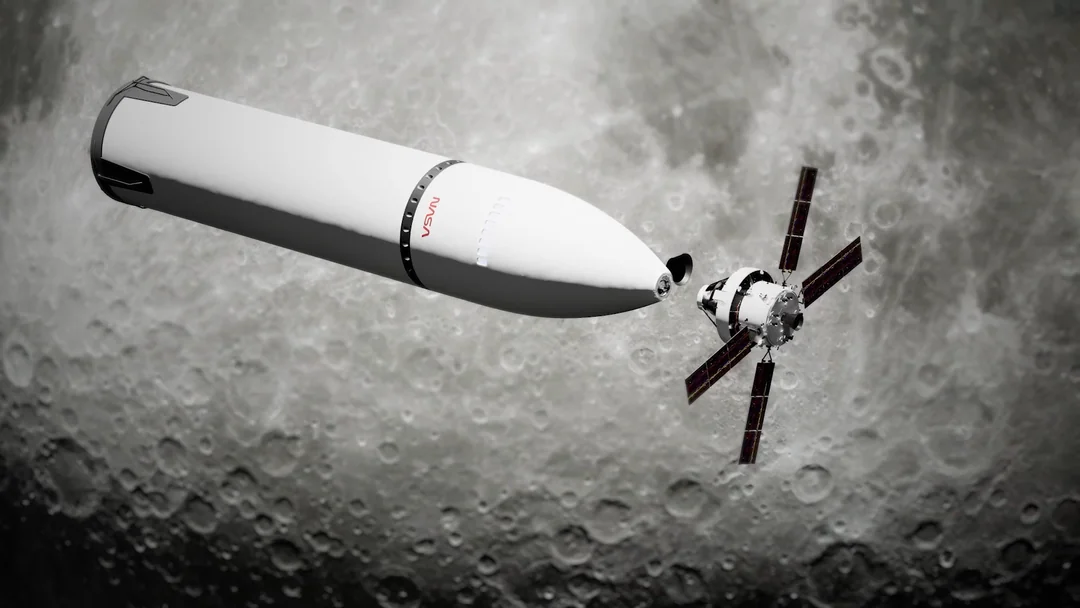
The primary objective is to validate crew transfer between Orion and the Starship HLS in low Earth orbit. This phase is vital for testing the new AxEMU suits by Axiom Space under real vacuum conditions, allowing for a safe abort in less than 3 hours and eliminating the risks of premature insertion into the lunar NRHO orbit.
01 // Propulsion and Standardization: SLS Block 1
Under the Ignition directive, NASA has cancelled experimental variants to focus on Block 1 reliability. This mission will utilize the ICPS upper stage equipped with an RL10C-2 engine, optimized for high-precision insertions into high-energy Earth orbits.
02 // Heat Shield Redesign (Avcoat)
The Orion capsule for Artemis 3 debuts a heat shield made of pre-machined blocks with controlled permeability. This design allows gases generated by kinetic heating to vent through the material's pores, preventing the internal pressure buildup that caused the charring liberation detected during Artemis 1.
Recommended Hardware // Technical Scale Models
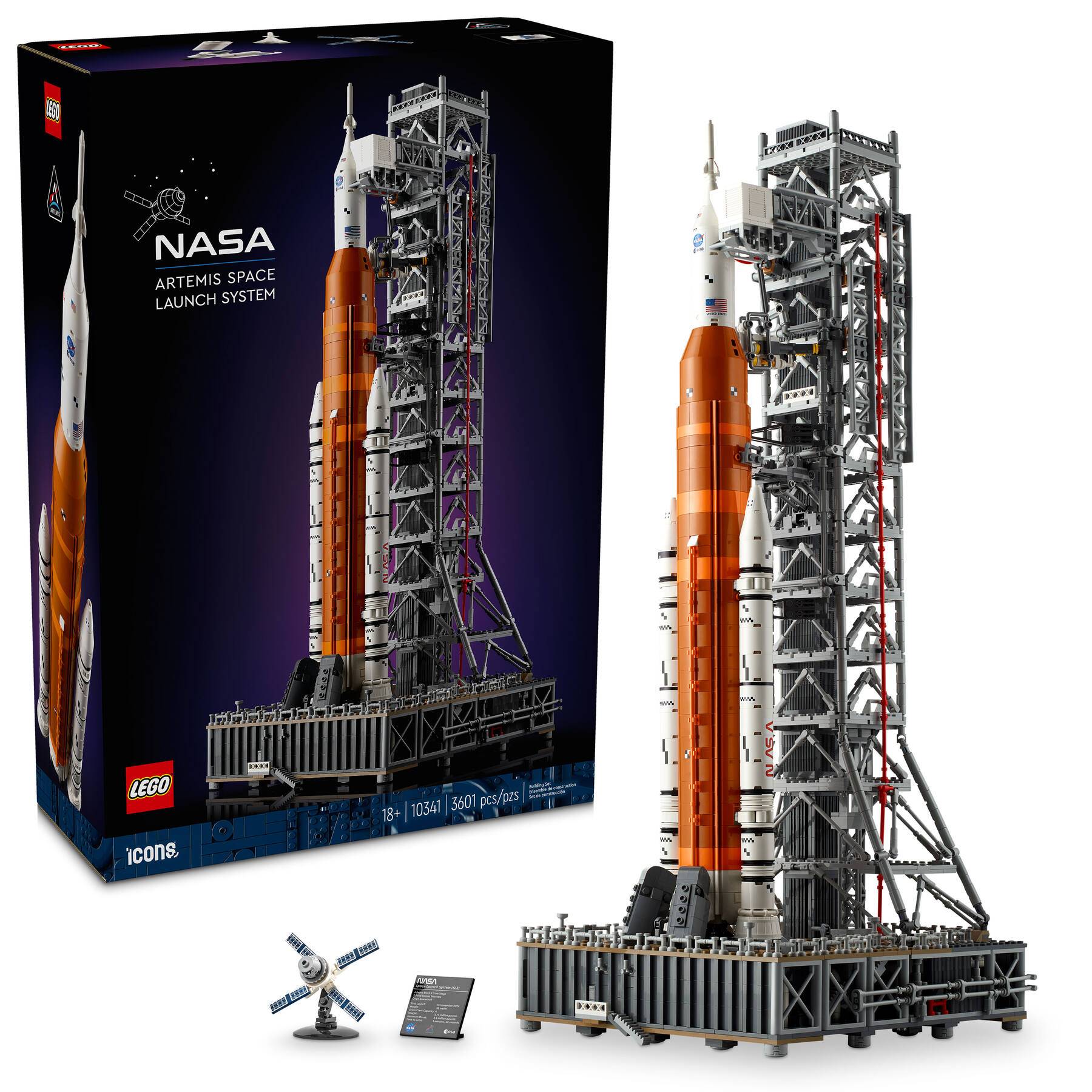
While an Artemis 3 launch costs $4.1B, the LEGO NASA Icons set allows for a tactical analysis of the SLS Block 1 architecture and Orion capsule for your command center.
ACQUIRE HARDWARE →03 // Industrial Audit: AxEMU Manufacturing and Aerospace Painting
The transition to the Artemis 3 mission plan in LEO demands a rigorous validation of the AxEMU lunar suit hardware. The fabrication of the pressure garment and portable life support system (PLSS) relies on aerospace precision machining for the high-tolerance joints. Furthermore, the redesigned Orion heat shield blocks require advanced aerospace painting and thermal protection coatings to manage the permeability of outgassing products. These components are supplied by specialized aerospace fasteners manufacturers who must certify each part for long-duration vacuum exposure.
04 // Logistics Hub: SAP and Defense Contract Strategy
Managing the interface between Boeing, Axiom, and SpaceX for Artemis 3 is a feat of aerospace supply chain optimization. The integration of SAP aerospace and defense modules is critical to ensure that the Starship HLS and Orion systems are perfectly synchronized for the NDS docking maneuver. For institutional investors, this mission is a key indicator for aerospace and defense investment banking, as it validates the commercial feasibility of the private space launch market in supporting government-led deep space programs.
05 // Integrated Operations and AxEMU Suits
For the first time, the crew will depart Orion to enter the Starship HLS. This technological handshake will validate the new AxEMU suits from Axiom Space, designed to accommodate a massive anthropometric range.
- Operating Pressure: Reduced to 29.6 kPa to optimize joint mobility during extravehicular activities (EVA).
- Connectivity: Integrated biometric telemetry and 4K video via the O2O laser communication network.
- Hatch Testing: Validation of International Docking System Standards (IDSS) under real vacuum conditions.
The Isaacman Pivot Analysis
The previous architecture accumulated too many first-time milestones in a single mission. By moving tests to LEO, NASA can certify fluid and crew transfer without compromising safety. It is pragmatic engineering: we are building muscle memory before the polar descent of Artemis 4.
06 // Analyst Conclusion: The Fiscal Price of Safety
From a systems engineering perspective, Artemis 3 is the most sensible decision made in a decade. Certifying Orion-HLS docking and AxEMU suit mobility in LEO clears the major technical bottlenecks before attempting a landing on the treacherous Lunar South Pole.
Critical Note: The Economic Anachronism Continues
However, the elephant in the room remains the operating cost. Launching a mission to low Earth orbit using an SLS vector at $4.1 Billion USD is, financially, an aberration. While commercial vehicles could perform these tests at a fraction of the cost, NASA remains tied to a non-reusable rocket that drains the budget needed for 2030 surface infrastructure.
Furthermore, this mission tests absolute dependence on SpaceX. Artemis 3 is the trial by fire for the Starship HLS. If SpaceX fails to demonstrate cryogenic refueling and life support in orbit, the entire roadmap toward the 2028 landing will collapse like a house of cards.
"Artemis 3 is the necessary foundation; but the program's sustainability will be decided in the Congressional ledger." - BSX Space Analysis.