Starship HLS: Industrial Audit, Precision Machining & Aerospace Painting Specs
From a modern spacecraft systems engineering perspective, Starship marks the obsolescence of expendable flight vectors. With the debut of the Block 3 architecture, the mission relies on robust Artemis 2 NASA mission protocols for deep space navigation and cislunar asset certification.
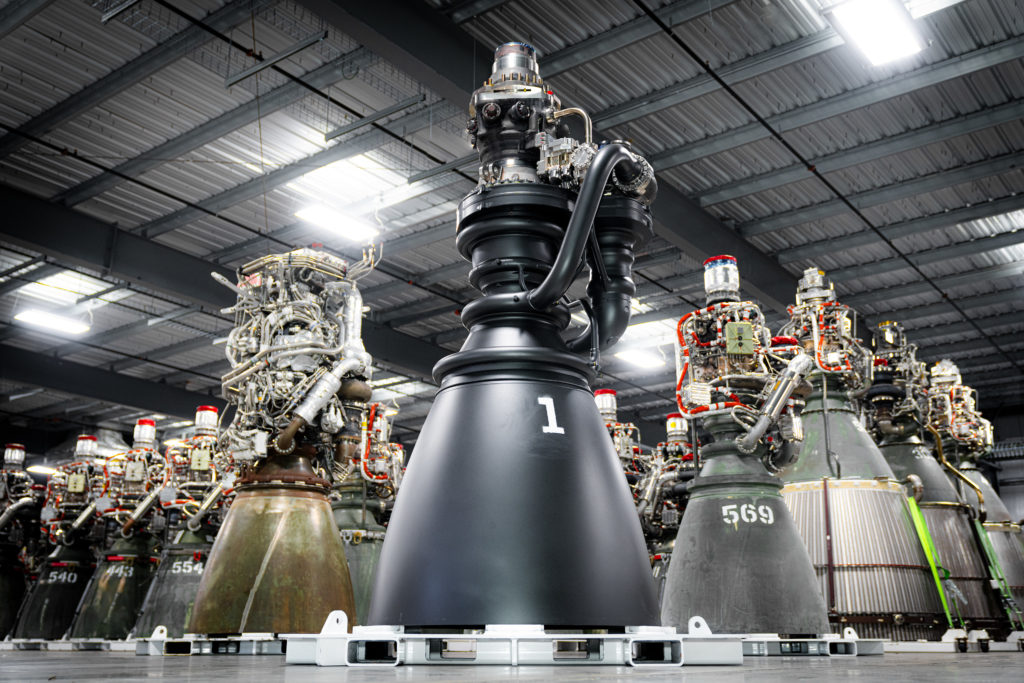
01 // Propulsion: The Raptor Cycle and Record Chamber Pressure
The core of the Starship is the Raptor 3 engine, implementing a full-flow staged combustion (FFSC) cycle. This systems architecture allows for main chamber pressures exceeding 350 bar, outperforming any previous cryogenic engine in human history.
02 // Refueling Logistics and Steel Structural Integrity
The Starship cost per launch sustainability depends entirely on propellant transfer in orbit. For an HLS mission, SpaceX requires a logistical chain of tanker launches to fill a LEO depot before the translunar injection.
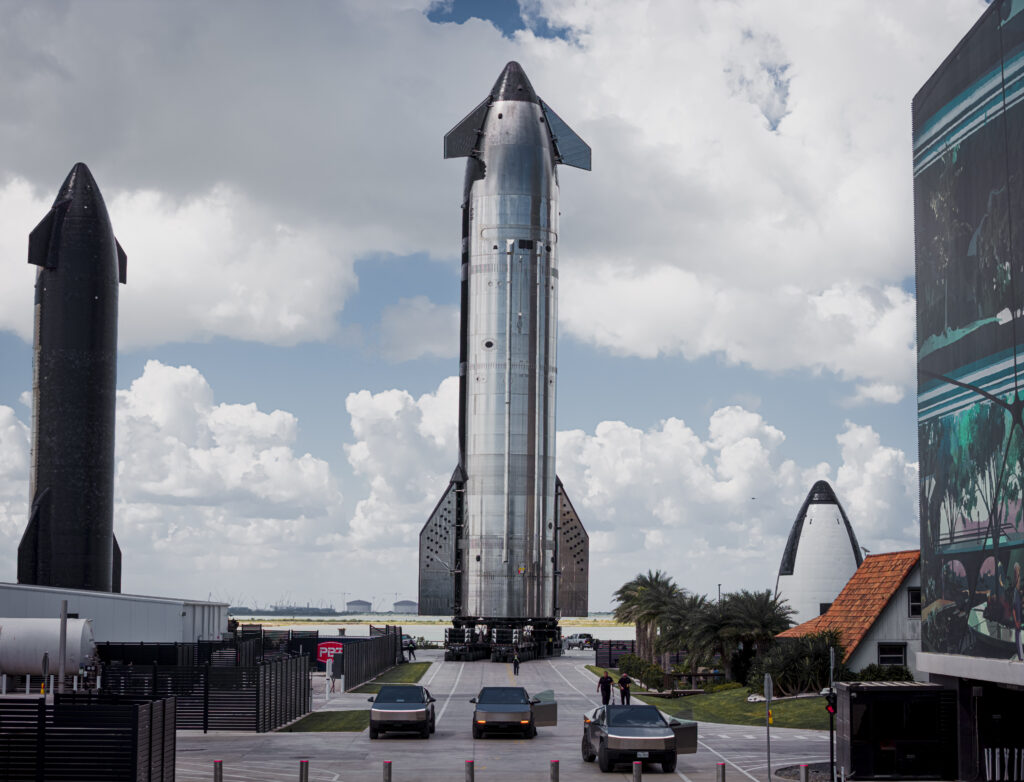
03 // Industrial Scaling: Precision Machining and Aerospace Painting
The mass production of the Starship Block 3 architecture requires a radical shift in aerospace precision machining. Each Raptor 3 manifold is a marvel of 3D printed aerospace parts and CNC optimization, reducing the dry mass while maintaining 350 bar of chamber pressure. Furthermore, the heat shield integration is the most demanding aerospace painting and thermal coating process in history. The application of high-emissivity ceramic layers must be executed under strict aerospace manufacturing technology standards to ensure re-entry survival.
04 // Strategic Market Implications: SAP and Defense Logistics
From a Tier 1 supplier perspective, managing the Starship supply chain is impossible without SAP aerospace and defense modules. The logistical complexity of a launch at vandenberg or Cape Canaveral involves real-time aerospace supply chain optimization. As SpaceX consolidates its private space launch market dominance, the aerospace and defense investment banking sector is re-evaluating the valuation of orbital refueling depots as a standalone infrastructure asset.
05 // Analyst Conclusion: Sustainability vs. Anachronism
Systems Engineering Insight: Manual Control Conflict
A critical audit from NASA OIG highlights the dispute regarding manual control requirements. While the agency demands human intervention, SpaceX leverages a 100% autonomous flight logic.
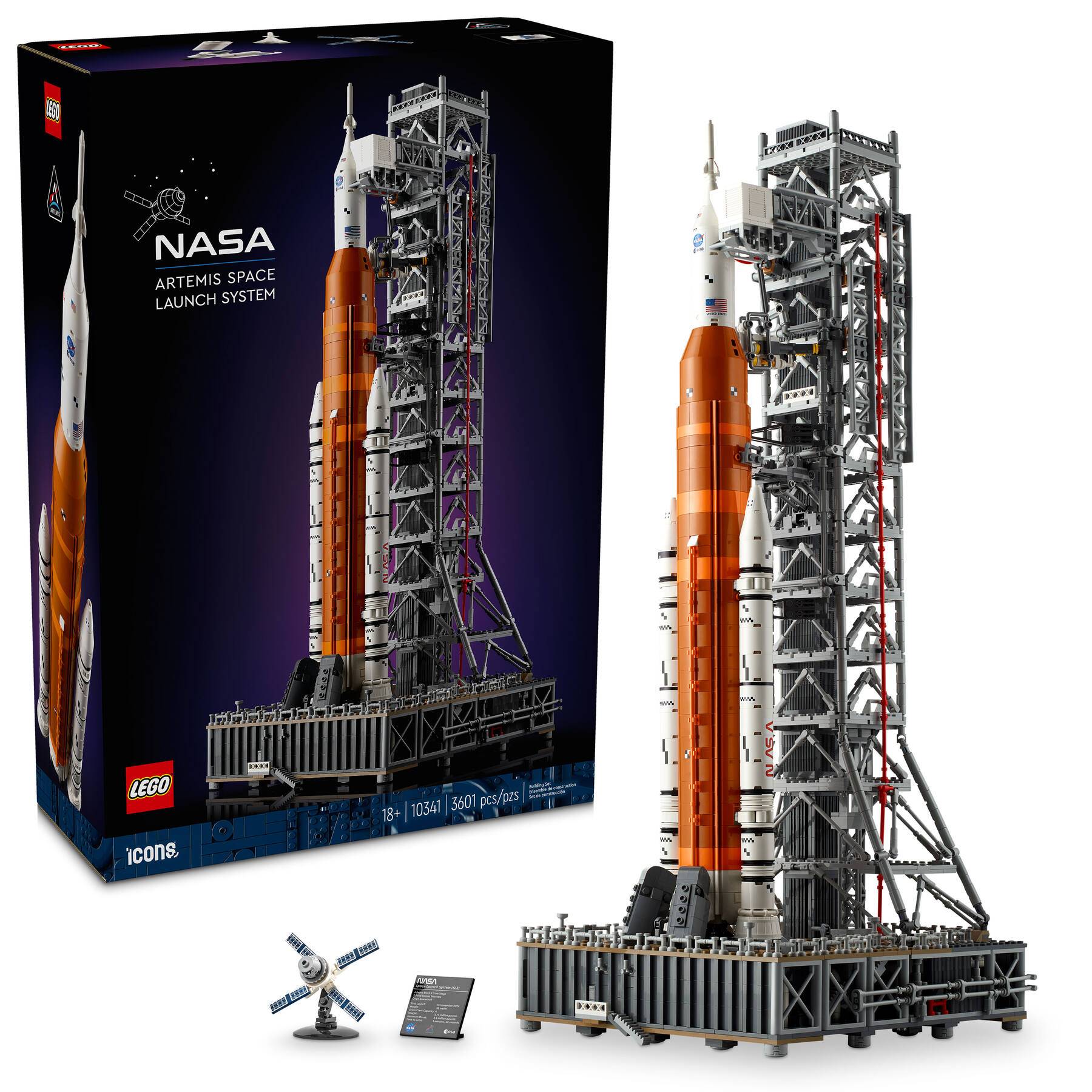
Technical Arsenal // Scale Instrumentation
Tactical analysis of heavy-lift architectures. The LEGO Icons set allows for structural study of modern cislunar flight vectors.
ACQUIRE EQUIPMENT →"Starship is the hardware of a future that traditional aerospace is still trying to simulate." - BSX Space Analysis.