Artemis 2 NASA: Technical Mission Plan and Crewed Flight Audit
Following the successful Artemis 2 launch on April 1st, 2026, the audit focuses on the flyby phase. This mission is critical for validating proximity operations (RPOD) with the ICPS stage and the operational debut of O2O laser communications.
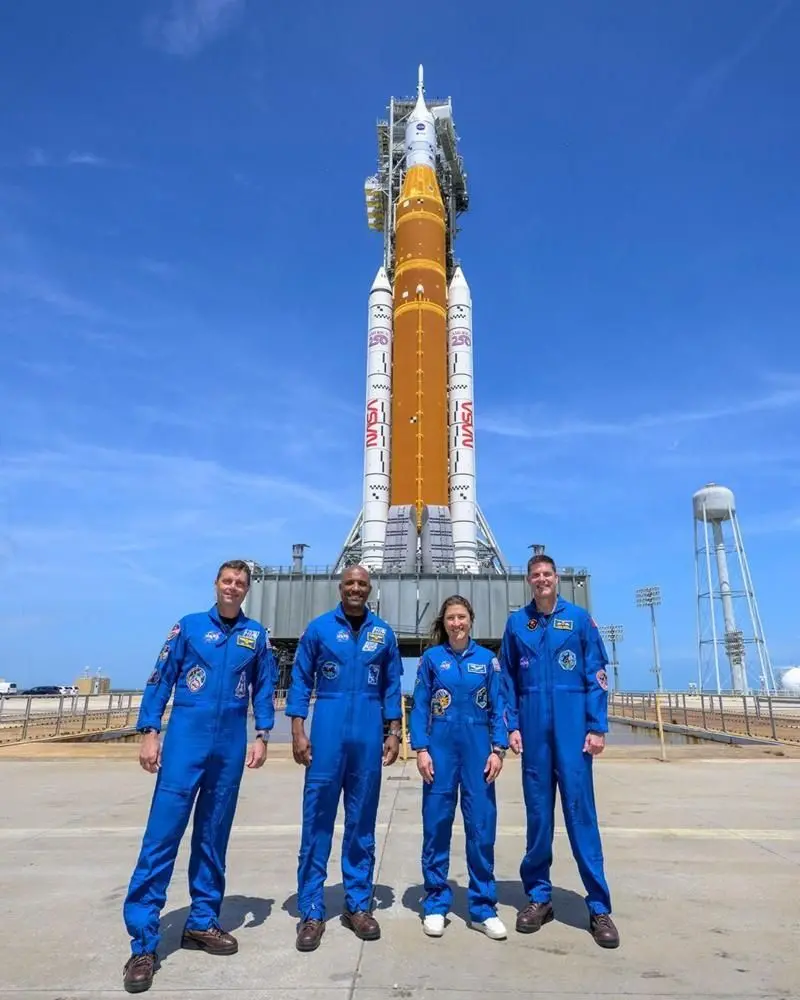
01 // The Artemis 2 Crew: Technical Roles
The selection for the Artemis 2 crew is a milestone in aerospace history. Led by Commander Reid Wiseman and Pilot Victor Glover, the mission includes Specialists Christina Koch and Jeremy Hansen. Glover's role is particularly vital, as he is responsible for validating manual piloting capabilities in High Earth Orbit (HEO).
02 // Technical Mission Plan: The 10-Day Profile
The Artemis 2 Technical Mission Plan is designed to minimize risk while stressing life support systems. Unlike Apollo, which used a direct Lunar Orbit Insertion (LOI), Artemis 2 utilizes a High Earth Orbit (HEO) phase to allow for a comprehensive checkout of the Orion systems before committing to the Moon.
03 // Industrial Audit: Manufacturing and Aerospace Painting
The flight readiness of the Orion capsule depends on the highest standards of aerospace manufacturing technology. A critical audit point is the aerospace painting and thermal coating of the Avcoat heat shield, designed to withstand Mach 32 reentry temperatures. Furthermore, the integration of the European Service Module (ESM) involves aerospace precision machining for the propellant valves and aerospace fasteners manufacturers for the primary structural joints. These Tier 1 components ensure the integrity of the ECLSS life support systems during the 10-day lunar flyby.
04 // Digital Infrastructure: SAP and Mission Logistics
Managing the Artemis 2 NASA mission logistics requires a seamless integration of SAP aerospace and defense software suites. From tracking the SLS Block 1 core stage assembly to managing the aerospace supply chain for the O2O laser communication payloads and deep space signal processing architecture, digital twins play a vital role. The fiscal sustainability of the program is currently a hot topic for aerospace and defense investment banking, as the $4.1B per-launch cost of the next moon mission nasa faces scrutiny against emerging private alternatives.
05 // Orion Systems: ECLSS and Life Support Validation
The spacecraft *Integrity* activates the full ECLSS (Environmental Control and Life Support System) for the first time. Critical technical audit points include:
- O2O Optical Comms: Debut of the laser system for 4K video streaming and high-fidelity telemetry at 260 Mbps.
- CO2 Management: Use of regenerable amine beds for long-duration missions, eliminating the need for expendable cartridges.
- Consumables: Management of 90 kg of oxygen and 240 liters of water for the 10-day cycle.
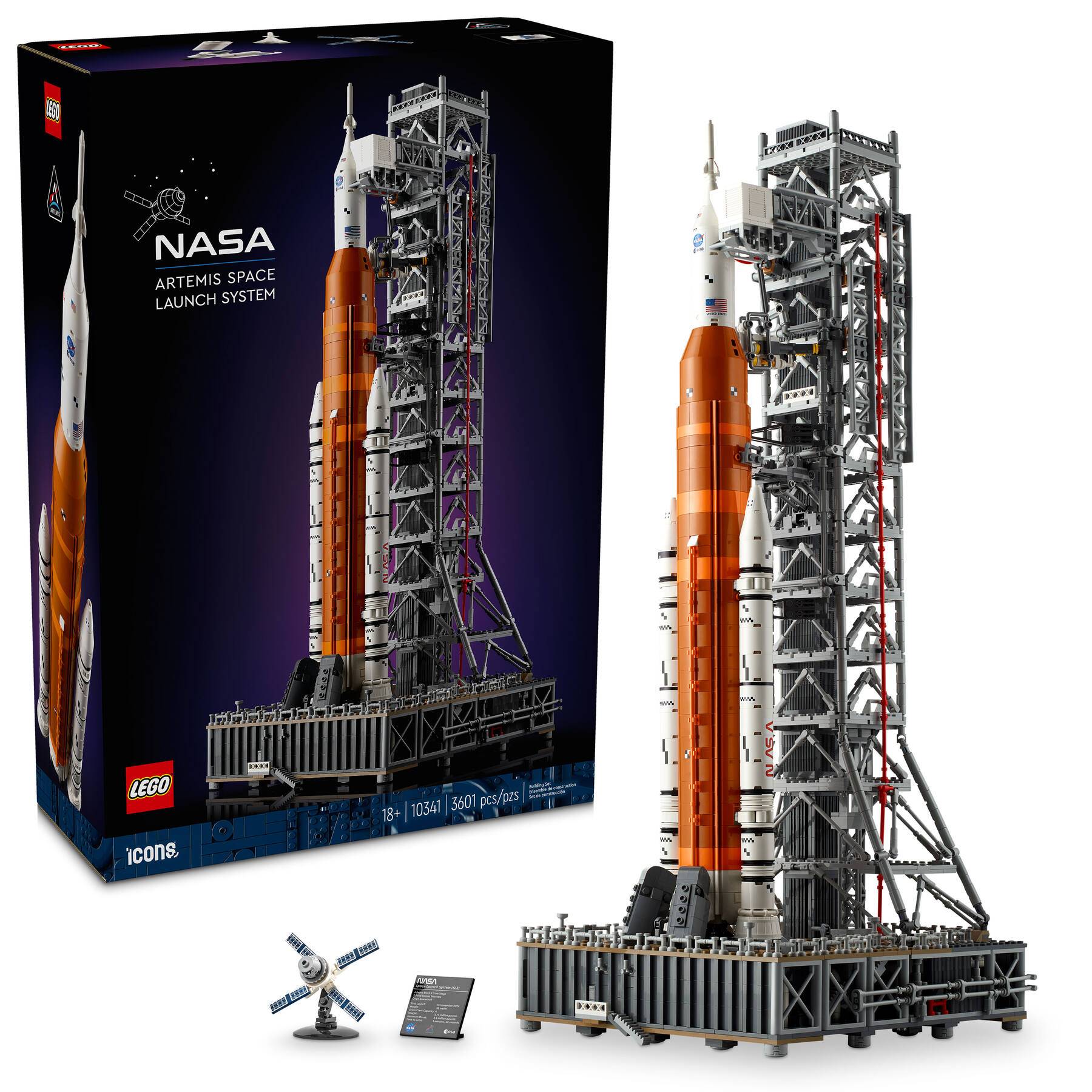
Recommended Hardware // Tactical Modeling
While an Artemis 2 launch costs $4.1B, the LEGO NASA Icons set provides a tactical breakdown of the SLS Block 1 and Orion capsule for your command center.
ACQUIRE HARDWARE →Risk Mitigation: Heat Shield and Helium Seals
Following the Artemis 1 anomaly, the Skip Entry technique was modified. Orion will execute a more direct descent to improve the venting of Avcoat outgassing and prevent charring liberation. Additionally, systems are monitoring micro-leaks in helium seals detected in the VAB, though pressures remain within operational margins.
Strategic Insight: Analyst Conclusion
From a systems engineering perspective, Artemis 2 is an undeniable success. Validating that Orion can sustain human life in the most hostile radiation environment encountered in 50 years confirms the robustness of the ECLSS and the redesigned heat shield. However, the financial landscape remains somber.
// CRITICAL NOTE: THE SLS FISCAL DILEMMA
Despite its 39.1 MN of thrust, the SLS remains an economic anachronism. While SpaceX targets ~$100M per launch, every SLS liftoff costs over $4.1 Billion USD. We are essentially discarding four heritage RS-25 engines into the ocean every mission. This expendable architecture is increasingly difficult to justify in the 2026 space economy.
"Artemis 2 is the hardware bridge to the surface; but the success of lunar colonization will depend on whether we can afford the toll of its operating costs." — BSX Space Analysis.
"Artemis 2 validates the hardware; Artemis 3 will validate the commercial infrastructure of tomorrow." - BSX Space Analysis.